
Who Owns the New Forest ponies? Commoning and New Forest Traditions
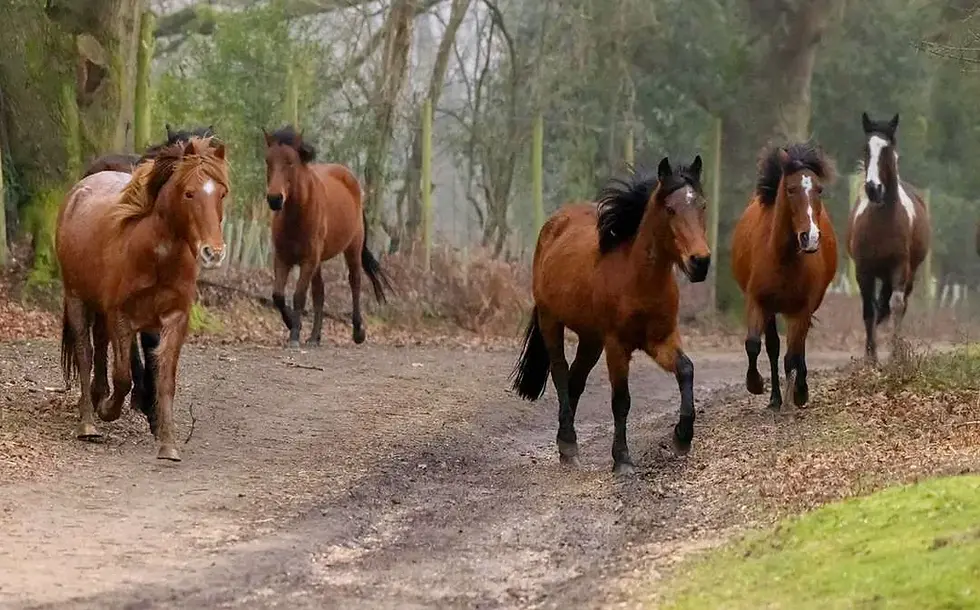

One of the things I love about Undercastle Cottage is that you don’t have to go looking for New Forest wildlife – especially the famous ponies and donkeys. They come to you. You often see them at the garden gate and wandering around the lanes. They are our version of a traffic jam!
So, who owns the New Forest ponies?
Most people think they belong to the National Park, Forestry England or the Crown. But every pony, donkey, cow, pig or sheep you see wandering about the forest and heathlands has an owner. They each belong to local people known as commoners, who have ancient rights attached to their particular house that allow them to turn livestock out onto the open forest. Not every house in the forest has commoning rights – we don’t at Undercastle Cottage. Having commoning rights means you have the right to turn your livestock out to graze on the open Forest. Although they may look wild, they’re not. I’d describe them as more feral than anything else. Most are placid, but some can be quite feisty. And don’t get between a Mum and her baby in the spring as they are quite rightly very protective of their little ones.

The Ponies and Donkeys at Undercastle Cottage
Even though New Forest animals are free-roaming, they tend to stay within the area where they were turned out. They get to know their ‘home’, known in the forest as ‘haunts’, as well as us humans know our homes and gardens. They know where to find water in a drought, where to take cover in a storm, favourite trees to retreat to at night and where to graze.

It’s one of the things I love most about living here. I love to sit with a cup of coffee and look up to see a donkey peering over the hedge, ponies peeking through the trees and cows munching on the hedgerows when I go out for a walk. It’s so beautiful and fills my heart with happiness. The scenes I see never feel like they’re put on for visitors. It’s a simple pleasure to see and part of everyday life at the cottage, as it has been for centuries.
What exactly is a New Forest commoner?
Being a commoner isn't another name for somebody born and bred in the New Forest.
Common rights are attached to particular properties and land, not to an individual person. Someone who either owns or rents land or property with these rights and exercises them is a practising commoner.
Commoning has a long history here. William the Conqueror created the New Forest as a royal hunting ground back in the 11th century. He stopped locals from using the land for agriculture because he wanted it purely for hunting. As compensation, he granted them certain rights so they could support themselves and gave them a grazing area that a smallholder with livestock could never have afforded to own. So commoning became a way of making a living that still exists today.
What are the six rights of common in the New Forest?
Common of pasture is the one I’ve just explained, allowing ponies, cattle, donkeys and mules to be turned out onto the Open Forest.
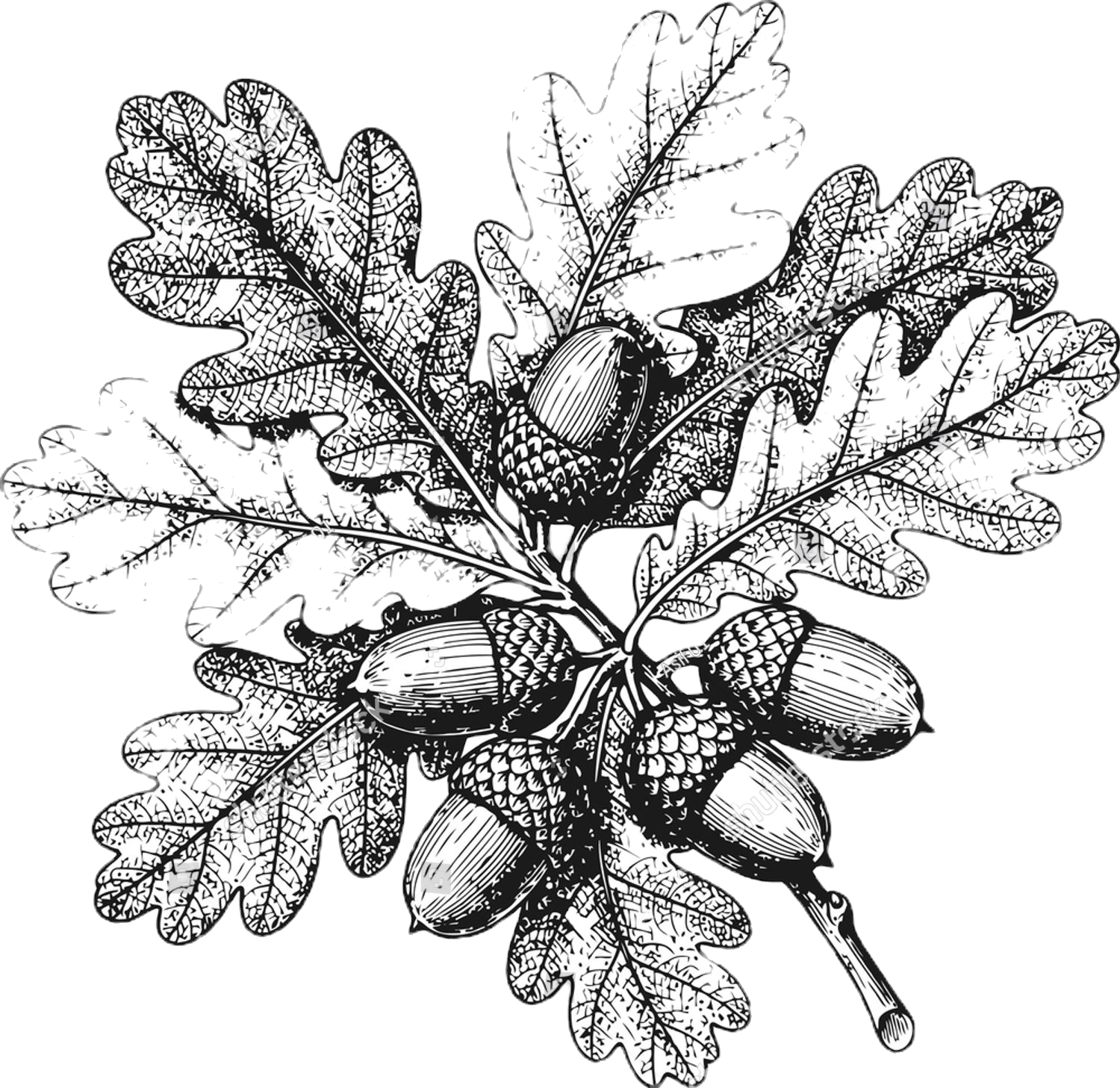
Common of mast, which we all call pannage, allows pigs to be turned out during the autumn to eat acorns and other fallen nuts and fruits.
Common of pasture is for sheep to graze, although there aren’t many. I know there are some in the north of the forest and a few in and around Bramshaw way.
Eastover’s or fuelwood, is the right to receive wood for fuel.
Common of turbary is the right to cut peat turves for fuel, while common of marl is the right to dig marl, a type of clay, used to improve agricultural land. No one in the New Forest practices that nowadays.
How many New Forest ponies are there?
The Verderers, who oversee that the commoners keep to the rules and regulations, said in July 2025 there were 4,829 ponies, 2,371 cattle and 115 donkeys.
The number changes each year and fluctuates throughout the year, as commoning animals are turned out for grazing or taken back to their owners (if they are ill or need to be sold, etc.), and pigs in the forest are only out in autumn. So, an exact figure is only ever an estimate really.
New Forest donkeys

I have a real soft spot for the donkeys! There are far fewer donkeys than ponies in the New Forest, but much to my delight, I often see them around the cottage. They are so cute, fluffy in the winter; their babies are the sweetest you’ve ever seen, and they can be quite nosy – they make me laugh out loud. When you stay at Undercastle Cottage, and they are about, you’ll get to see their quirky personalities. They enjoy nibbling on trees, shrubs, and hedges rather than grazing the grass, which makes me quite happy, as I don’t need to prune them. Female donkeys are called Jennies, and the boys are called Jacks, and unlike New Forest pony stallions, the Jacks stay in the forest al all year.
Like the ponies, New Forest donkeys belong to commoners and are turned out under the right of common of pasture. Commoners pay the same marking fee for a donkey as they do for a pony. – See further down about marking fees.
Why are cattle roaming around the New Forest too?

You’ll see a real mix of cattle breeds out on the Forest. In the summer there are several thousand grazing, but during the winter months, when it can be too harsh for them, a lot of commoners bring them inside. Some commoners will bring their cattle in as soon as the glut of acorns starts to fall from the ancient oak trees – of which there are many in the forest, because acorns can be poisonous to cattle as well as ponies when they eat too many of them.
Why are pigs let loose in the New Forest?
Come here in autumn, and you’ll see one of my favourite traditions: pannage in the New Forest.
This is when commoners exercise the right of mast and turn their pigs and their teeny cute little piglets out onto the forest to eat acorns and beech mast nuts, which make the commoners' animals ill when they eat too many. Pigs do a brilliant job of clearing them up, alongside chestnuts, and crab apples. For some reason, eating tonnes of the things and plenty of other nibbles they find along the way doesn’t affect pigs, and they absolutely love foraging!

The Verderers and Forestry England decide the precise pannage dates each year according to the anticipated size of the acorn crop. The season lasts for at least 60 days, but you hear it’s often been extended when there’s a huge glut of acorns. You’ll see most of the adult pigs have rings through their noses. I often wondered why, then I found out it’s to stop them damaging roots and the forest floor too much when they are foraging.
When they are taken off the forest at the end of pannage, some go back to their small holdings, but most end up as the local speciality – nutty, fruity-tasting pannage pork. I buy it from our local butchers and enjoy dishes in the New Forest pubs and restaurants. But if you’re from the capital, I’ve seen it for sale in Borough Market, and been told by a couple of guests that New Forest Pannage pork has appeared on the menus of some extremely expensive London restaurants!
Who looks after all the New Forest animals?
The fact that the animals roam freely doesn't mean nobody is keeping an eye on them.
The Court of Verderers, in Lyndhurst, oversees commoning in the New Forest, and the Verderers employ five Agisters: one Head Agister and four other Agisters, each responsible for an area of the Forest. I think of them as our New Forest cowboys because they are incredibly skilled horse riders. Brilliant, in fact. Commoners pay an annual marking fee for animals they turn out. The current Verderers' fees are £29 for ponies, cattle and donkeys, £12 for sheep and £5 for pigs.
Agisters spend their days checking livestock and dealing with everything from animals caught in bogs, fences and cattle grids to sick animals and road accidents. They're on call around the clock.
What is a New Forest pony drift?
In summer and autumn, Agisters and commoners round up the New Forest ponies into traditional holding pens or pounds all across the forest. The National Park Authority say there are about 40 New Forest pony drifts between August and November. But honestly, It’s not something I would advise trying to watch. You can imagine the speed and safety aspect of herds of ponies galloping and darting full pelt across the forest – you won’t want to get caught up in that.
They are rounded up for a health check; their tails are clipped in distinctive patterns, known as tail marks, according to the Agister's area. Foals that the commoners want to keep are branded, and they’ll decide whether the ponies should go back into the forest, come inside for winter or be sold – usually through the Beaulieu Road Sales Yard.

Are stallions allowed to roam the New Forest?
All the adult ponies you see in the forest are female, and once a year selected stud stallions are set free in the forest for a fine old time with the ladies. This year, 25 stallions were out and about on 11 May, and they were back in by 22 June. I appreciate that it’s really important that New Forest pony breeding is carefully managed. Not just because it means the commoners can fetch a good price when selling their ponies for horse riding, etc., but also to maintain the bloodline, health and welfare of the breed.
Why commoning matters so much to the New Forest
If commoning didn’t exist in the New Forest, it wouldn’t just lose its free-roaming animals; the forest’s whole look and landscape would change. The commoners' animals are often called the “architects of the Forest” because of their grazing, wandering and foraging. Their very presence here prevents scrub from destroying important habitats. What I think looks like beautifully manicured lawns isn’t the work of a mower. The heather-laden heathlands, woods and hedgerows all enjoy constant gardening from the ponies, donkeys and cattle, which in turn maintains a huge range of plants, fungi, insects, birds and other wildlife of The New Forest.
When you stop to see pigs snuffling through the autumn leaves, or a group of ponies standing in the road nibbling the grass verges, you're watching a centuries-old working system of land management carrying on around you. I think it’s wonderful.

And when one of our local donkeys rocks up beside the garden at Undercastle Cottage and peers hopefully in our direction for a carrot, as lovely as it is, I know perfectly well that it isn't ours. Someone, somewhere in the Forest, knows exactly whose donkey it is.


